Understanding Cataracts and Medicare Coverage
Cataracts are a common issue that affects many people as they age. Nearly half of all Americans over 80 will have cataracts or have had cataract surgery. This eye condition causes the lens of the eye to become cloudy, resulting in blurry vision, glare, and difficulty seeing at night. Cataract surgery removes the cloudy lens and replaces it with an artificial one. This treatment is highly effective and can significantly enhance a person’s quality of life.
If you have Medicare and want to know if your plan covers cataract surgery, you are not alone. At Senior Insurance Solutions, we help seniors with Medicare every day. We explain what their plan covers, help them compare options, and assist them in avoiding unexpected costs, especially for important procedures like cataract surgery.
In this post, we will explain what Medicare covers for cataract surgery, the costs involved, and how to prepare for the procedure. Keep reading to learn more.

What Are Cataracts?
Cataracts happen when the lens of the eye becomes cloudy. This cloudiness can cause your vision to become blurry or dim, increase sensitivity to light, and make it difficult to see at night. Over time, cataracts can get worse and seriously affect daily activities. In many cases, cataract surgery is the best way to restore your vision.
As cataracts worsen, they can make it difficult to perform everyday activities such as reading, driving, or recognizing faces. When glasses or brighter lights no longer help, cataract surgery is usually the next step. This is a common procedure that can restore clear vision and significantly improve your independence and quality of life.
Cataract surgery is common and generally safe, but it can be costly. Many people on Medicare want to know how their benefits can help with these costs.
Does Medicare Cover Cataract Surgery?
Yes, Medicare covers cataract surgery, but how much it covers depends on the type of Medicare you have.
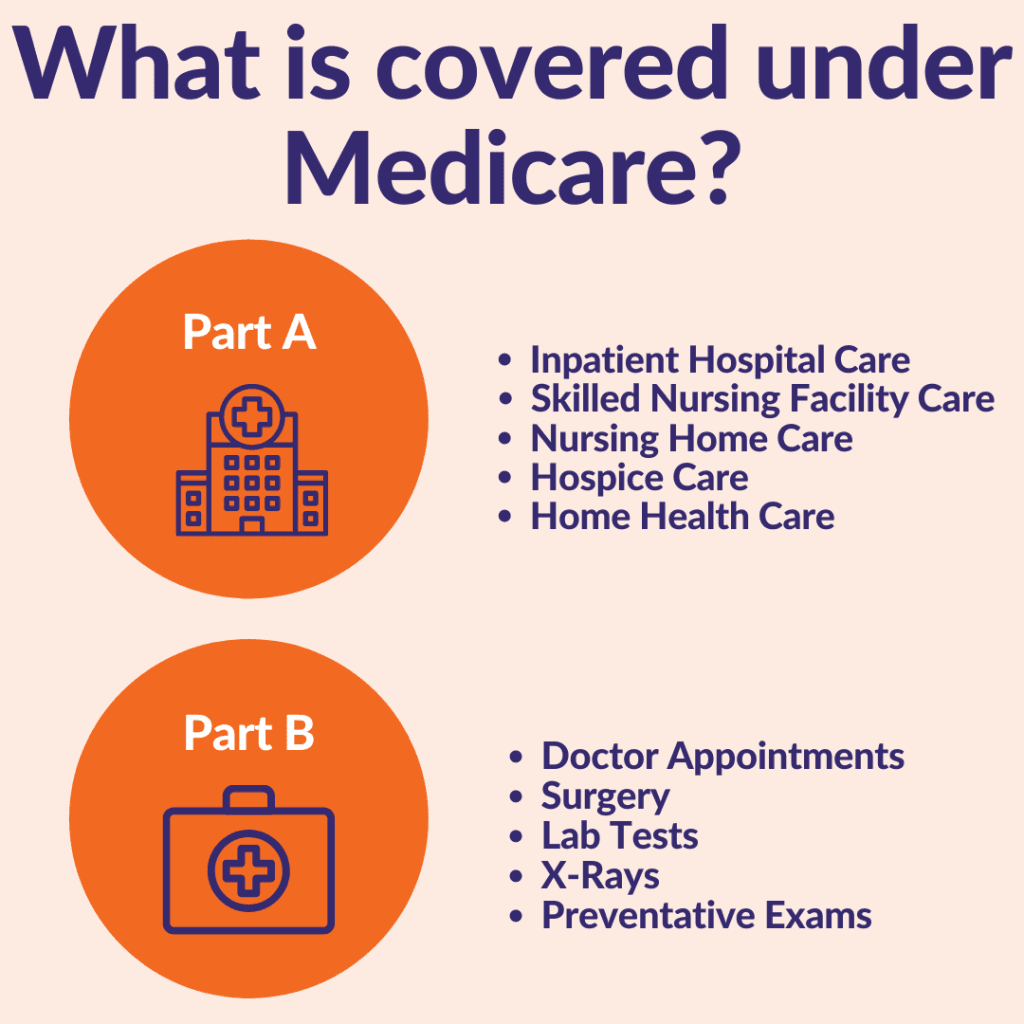
Medicare has two main parts that may cover the costs for cataract surgery: Part A and Part B. Let’s look more closely at what each part covers:
Medicare Part A (Hospital Insurance)
Medicare Part A will cover any hospitalization costs if you need to stay overnight in a hospital for cataract surgery. However, most cataract surgeries are performed on an outpatient basis, meaning you likely won’t need to be admitted to the hospital overnight. In these cases, Part A coverage would not apply.
Medicare Part B (Medical Insurance)
Medicare Part B covers cataract surgery if it’s medically necessary. This includes the surgeon’s fees, anesthesia, and any related outpatient services, such as follow-up visits and tests.
Key Points to Remember with Part B:
- Medically Necessary Surgery: Medicare covers cataract surgery if it is needed to improve your vision. If cataracts are making it hard for you to read or drive, Medicare usually considers the surgery medically necessary.
- Coinsurance: Medicare Part B typically covers 80% of the costs associated with surgery. You are responsible for the remaining 20%. This amount can become significant, especially if you need additional care after the procedure.
What Does Medicare Not Cover?
While Medicare does cover the surgery itself, there are some important exclusions to be aware of:
- Glasses or Contact Lenses: Medicare does not pay for glasses or contact lenses after cataract surgery, unless it is medically necessary. If you require corrective lenses after your surgery, you may need to cover the cost yourself or use your secondary insurance.
- Advanced Lens Implants: If you choose a premium intraocular lens (IOL), a type of advanced artificial lens, Medicare may not cover the additional cost. While standard IOLs are covered, more specialized options may require additional payment.
- Refractive Lens Exchanges: If the surgery is primarily intended to correct vision problems, such as nearsightedness or astigmatism, rather than addressing a serious cataract, Medicare may not cover it.
What About Medicare Advantage Part C?
Private insurance companies offer Medicare Advantage plans as an alternative to traditional Medicare benefits. These plans must cover everything that Original Medicare (Parts A and B) covers. They may also include additional benefits, such as assistance with certain costs that Original Medicare doesn’t cover.
If you have a Medicare Advantage plan, it can help lower your out-of-pocket costs for cataract surgery. This plan may cover some or all of the 20% of costs that Original Medicare does not pay. Additionally, some plans may also cover glasses or contacts, which Original Medicare does not cover.
It’s essential to review your Medicare Advantage plan to determine what it covers and any additional out-of-pocket costs you may incur.
How Much Will Cataract Surgery Cost with Medicare?
The costs for cataract surgery under Medicare vary depending on various factors, including:
- In 2025, the Medicare Part B deductible is $257. This amount must be paid before Medicare begins covering services.
- 20% Coinsurance: After you pay your deductible, Medicare will cover 80% of your surgery and related costs. You will need to pay the remaining 20%, which can add up quickly. It’s essential to understand your coinsurance and the associated costs.
- Costs for Glasses or Contacts: Medicare does not cover the cost of glasses or contact lenses after cataract surgery. You will need to pay for them yourself, so be sure to budget for these expenses.
To better understand your costs, consult with your surgeon for a more accurate assessment. Ask for an estimate of your out-of-pocket expenses, including surgery, follow-up visits and corrective lenses.
How to Prepare for Cataract Surgery
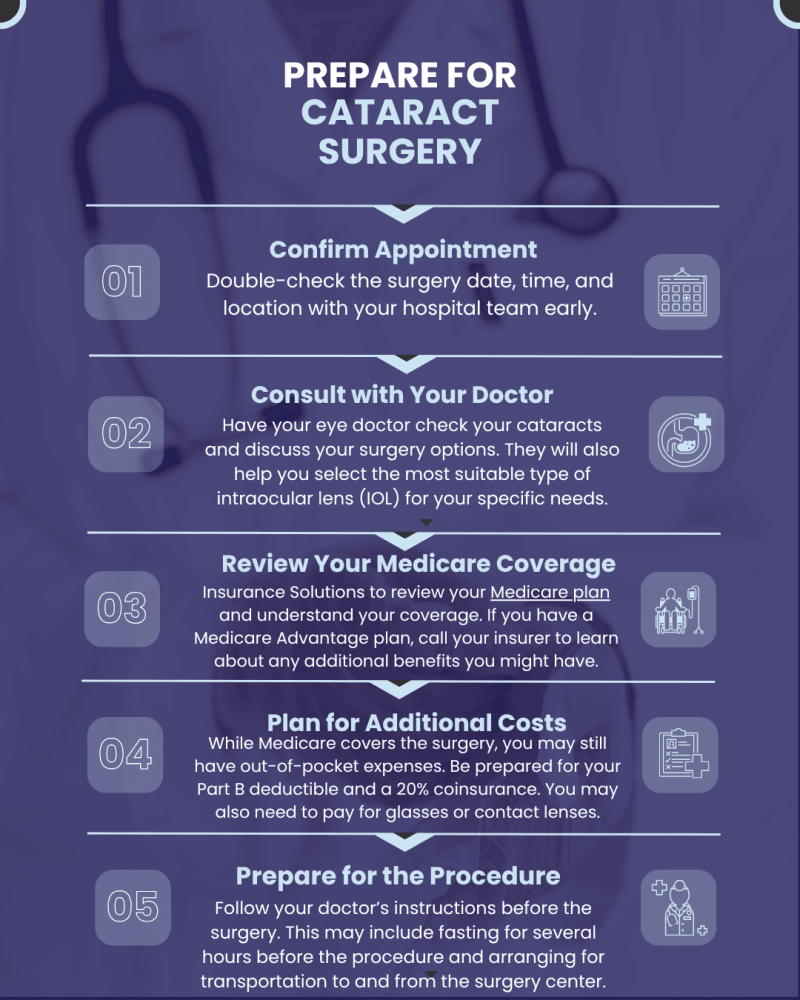
Before undergoing cataract surgery, it’s important to prepare properly. Here are some key steps:
What You Need to Know Before Scheduling Cataract Surgery
Cataract surgery is an important procedure for many older adults. Medicare can help cover the costs. While Medicare pays for most of the surgery, you will still need to pay some expenses out of your own pocket. This includes coinsurance and possibly the cost of corrective lenses, such as glasses or contact lenses.
If you have a Medicare Advantage plan, you may get extra coverage to help reduce your costs even more. It’s important to understand your specific plan to avoid surprise bills.
At Senior Insurance Solutions, we help seniors eligible for Medicare understand their options and compare plans to lower their costs. Contact us today for a personalized review of your Medicare options. Our experts will assist you with your cataract surgery coverage and help you make informed decisions about your care.